
ഇംഗ്ലീഷ് ഭാഷാവിദഗ്ദ്ധനും എഴുത്തുകാരനുമായ പി.കെ.ജയരാജ് പി.വി.ഷാജികുമാറിന്റെ 'മരണവംശം' എന്ന നോവലിനെക്കുറിച്ച് ഇംഗ്ലീഷിലെഴുതിയ നിരൂപണത്തിന്റെ മലയാളപരിഭാഷ.
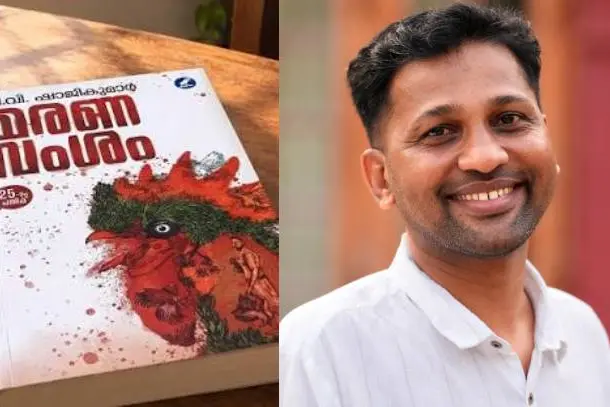
പ്രശസ്ത എഴുത്തുകാരൻ എം. മുകുന്ദൻ കുറിക്കുന്നു: '2024-ൽ ഞാൻ വായിച്ചതിൽ വച്ച് ഏറ്റവും മികച്ച നോവലാണ് പി.വി. ഷാജികുമാറിന്റെ 'മരണവംശം'’. മാർകേസിന്റെ 'ഏകാന്തതയുടെ നൂറു വർഷങ്ങൾ (One Hundred Years of Solitude) എന്ന നോവൽ വായിച്ച അനുഭവം ഈ കൃതി എന്നെ ഓർമ്മിപ്പിക്കുന്നു. ഇരുനോവലുകളുടെയും ആത്മാവ് അതിന്റെ ഭാഷയാണ്; കഥ പറയാനുള്ള വെറുമൊരു ഉപകരണം എന്നതിലുപരി, ആ സാങ്കൽപ്പിക ലോകങ്ങൾ മുളച്ചുപൊന്തുന്ന ഫലഭൂയിഷ്ഠമായ മണ്ണായിട്ടാണ് ഭാഷ അവിടെ പ്രവർത്തിക്കുന്നത്. ഗബ്രിയേൽ ഗാർസിയ മാർകേസ് ഗാംഭീര്യമുള്ളതും മാന്ത്രികവും ബൈബിൾ ശൈലിയിലുള്ളതുമായ ഗദ്യത്തിലൂടെ 'മക്കോണ്ടോ'യ്ക്ക് ജീവൻ നൽകുമ്പോൾ, പി.വി. ഷാജികുമാർ അതിതീവ്രമായ പ്രാദേശികതയും ഇന്ദ്രിയാനുഭൂതികളും നിറഞ്ഞ ഭാഷയിലൂടെയാണ് 'ഏർക്കാന' എന്ന ലോകം കെട്ടിപ്പടുക്കുന്നത്.
കാസർഗോഡ്-കർണാടക അതിർത്തിയിൽ സ്ഥിതി ചെയ്യുന്ന ഏർക്കാന എന്ന സങ്കൽപ്പിക ദേശത്ത് വിരിയുന്ന ഭാഷ വളരെ വർണ്ണാഭവും തീവ്രതയേറിയതുമാണ്. ഒരു അതിർത്തി പ്രദേശത്തിന്റെ സവിശേഷമായ സാംസ്കാരികപരിസരത്തെ അത് കൃത്യമായി പകർത്തിവെക്കുന്നു. പി.വി. ഷാജികുമാറിന്റെ ആഴമേറിയതും സൗന്ദര്യാത്മകവുമായ ഈ ആഖ്യാനതലം, ഏർക്കാനയുടെ സവിശേഷമായ പ്രാദേശിക ഭാഷയ്ക്ക് സാർവത്രികമായ മനുഷ്യാനുഭവങ്ങളെ തുറന്നുകാട്ടാൻ സാധിക്കുമെന്ന് തെളിയിക്കുന്നു.
'മരണവംശ'ത്തിന്റെ ഒഴുക്കിനും ആഖ്യാനത്തിനും വാചികമായും പ്രതീകാത്മകമായും പ്രധാന നട്ടെല്ലായി വർത്തിക്കുന്നത് പൂരക്കളി എന്ന വടക്കേമലബാറിലെ അനുഷ്ഠാന കലാരൂപമാണ്. പൂരക്കളിയുടെ ജീവനായ 'പൂരമാല'യിലെ പതിനെട്ട് പരമ്പരാഗത പാട്ടുകളുടെയും നൃത്തച്ചുവടുകളുടെയും പേരിലാണ് നോവലിന്റെ പതിനെട്ട് അധ്യായങ്ങളും ഷാജികുമാർ അടയാളപ്പെടുത്തിയിരിക്കുന്നത്. ഈ പരമ്പരാഗത കലാരൂപത്തിന്റെ ഘടനാപരമായ പരിണാമത്തെ നോവലിന്റെ ശരീരത്തിലേക്ക് അതീവ മനോഹരമായി അദ്ദേഹം സന്നിവേശിപ്പിച്ചിരിക്കുന്നു. ഈ അപൂർവ്വ ഘടനയ്ക്കുള്ളിൽ, കഥയെ മുന്നോട്ട് നയിക്കുന്ന മനുഷ്യന്റെ അനിയന്ത്രിതമായ വികാരങ്ങളുടെയും അടങ്ങാത്ത പ്രതികാരദാഹത്തിന്റെയും ശക്തമായ പ്രതീകമായി പൂരക്കളി മാറുന്നു.
കോമൻ എന്ന മോഷ്ടാവ് ധനികരായ ബല്ലാൾ കുടുംബത്തിൽ നിന്ന് സ്വർണം മോഷ്ടിക്കുകയും രണ്ട് വ്യക്തികളെ കൊലപ്പെടുത്തുകയും ചെയ്യുന്നതോടെ ആരംഭിക്കുന്ന അൻപത് വർഷത്തോളം നീളുന്ന ക്രൂരമായ പ്രതികാര പരമ്പരയെയാണ് 'മരണവംശം' അടയാളപ്പെടുത്തുന്നത്. ഭാസ്കരൻ, ചന്ദ്രൻ, അരവിന്ദൻ തുടങ്ങിയ കഥാപാത്രങ്ങളിലേക്ക് പടർന്നുപന്തലിക്കുന്ന വെറുപ്പിന്റെ മായ്ച്ചു കളയാനാവാത്ത പിളർപ്പാണ് ഇത് സൃഷ്ടിക്കുന്നത്. ഈ രക്തച്ചൊരിച്ചിലിന്റെ പക പിന്നീട് പ്രാദേശിക രാഷ്ട്രീയ പാർട്ടി വിഭാഗങ്ങൾ തമ്മിലുള്ള അക്രമാസക്തമായ ഏറ്റുമുട്ടലുകളിലേക്ക് വഴിമാറുമ്പോൾ, പ്രതികാരത്താൽ കണ്ണുമഞ്ഞളിച്ച ഒരു സമൂഹത്തിന്റെ സാംസ്കാരിക കാൻവാസായി പൂരക്കളി നിലകൊള്ളുന്നു.
വ്യക്തിഗതമായ പകയുടെ വിനാശകരമായ വികാരങ്ങളെ പി.വി. ഷാജികുമാർ മരണത്തെക്കുറിച്ചുള്ള ആഴമേറിയ ദാർശനിക നിരീക്ഷണങ്ങളുമായി മനോഹരമായി കൂട്ടിയണയ്ക്കുന്നു. പ്രാദേശിക ആചാരങ്ങളും കർശനമായ അധികാര ഘടനകളും പ്രതികാരത്തിന്റെ അഗ്നിയിൽ അകപ്പെട്ട മനുഷ്യജീവിതങ്ങളുടെ അന്ത്യവിധിയെയും ഓർമ്മകളെയും എങ്ങനെ നിർണ്ണയിക്കുന്നുവെന്ന് ഇത് കാണിച്ചുതരുന്നു.
‘Maranavamsam’ (The Lineage of Death) is the best novel I read in 2024’, writes the renowned Malayalam novelist M. Mukundan. The novel reminds me of my reading of One Hundred Years of Solitude. Language is the absolute essence of both novels, serving not merely as a tool to tell the story, but as the very soil from which their mythical worlds grow. While Marquez uses a grand, hypnotic, and biblical prose style to
breathe life into Macondo, P.V. Shajikumar relies on a hyper-localized, sensory linguistic landscape to construct the world of Erkkana. The language that blooms in this village, a fictional village situated on the Kasaragod-Karnataka border, is exceptionally colourful and carries a penetrating fragrance, capturing the distinct cultural hybridity of a
borderland region. This sensory linguistic depth in P.V. Shajikumar's writing style proves that the deeply distinct language of Erkkana can unlock a universally recognized human experience.
Poorakkali serves as both the literal and figurative backbone of the entire narrative of Maranavamsam. P.V. Shajikumar brilliantly mirrors the structural evolution of this traditional ritual art form by dividing the novel into eighteen distinct chapters, each named after one of the 18 traditional ritual songs and dance stages of Pooramala central to Poorakkali. Within this unique framework, Poorakkali becomes a powerful metaphor for the volatile human passions and unrelenting vengeance driving the plot.
Maranavamsam chronicles a relentless, half-century-long cycle of revenge ignited when a thief named Koman steals gold from the wealthy Ballal family and murders two individuals, creating an indelible fissure of hatred passed down to characters like Bhaskaran, Chandran, and Aravindan. As this blood feud eventually intersects with violent clashes between regional political party factions, Poorakkali stands as the ultimate cultural canvas for a community consumed by retribution. P.V. Shajikumar seamlessly binds the destructive passion of individual vendettas to a profound philosophical exploration of death, demonstrating how local traditions and rigid power
structures dictate the ultimate fate and remembrance of human lives caught in the fires of vengeance.
Published: 05 Nov 2026, 04:28 pm IST


Related Topics
വാര്ത്തകളോടു പ്രതികരിക്കുന്നവര് അശ്ലീലവും അസഭ്യവും നിയമവിരുദ്ധവും അപകീര്ത്തികരവും സ്പര്ധ വളര്ത്തുന്നതുമായ പരാമര്ശങ്ങള് ഒഴിവാക്കുക. വ്യക്തിപരമായ അധിക്ഷേപങ്ങള് പാടില്ല. ഇത്തരം അഭിപ്രായങ്ങള് സൈബര് നിയമപ്രകാരം ശിക്ഷാര്ഹമാണ്. വായനക്കാരുടെ അഭിപ്രായങ്ങള് വായനക്കാരുടേതു മാത്രമാണ്, മാതൃഭൂമിയുടേതല്ല. ദയവായി മലയാളത്തിലോ ഇംഗ്ലീഷിലോ മാത്രം അഭിപ്രായം എഴുതുക. മംഗ്ലീഷ് ഒഴിവാക്കുക..

Most Commented